Facial Asymmetry: What Influences the Way Your Face Looks
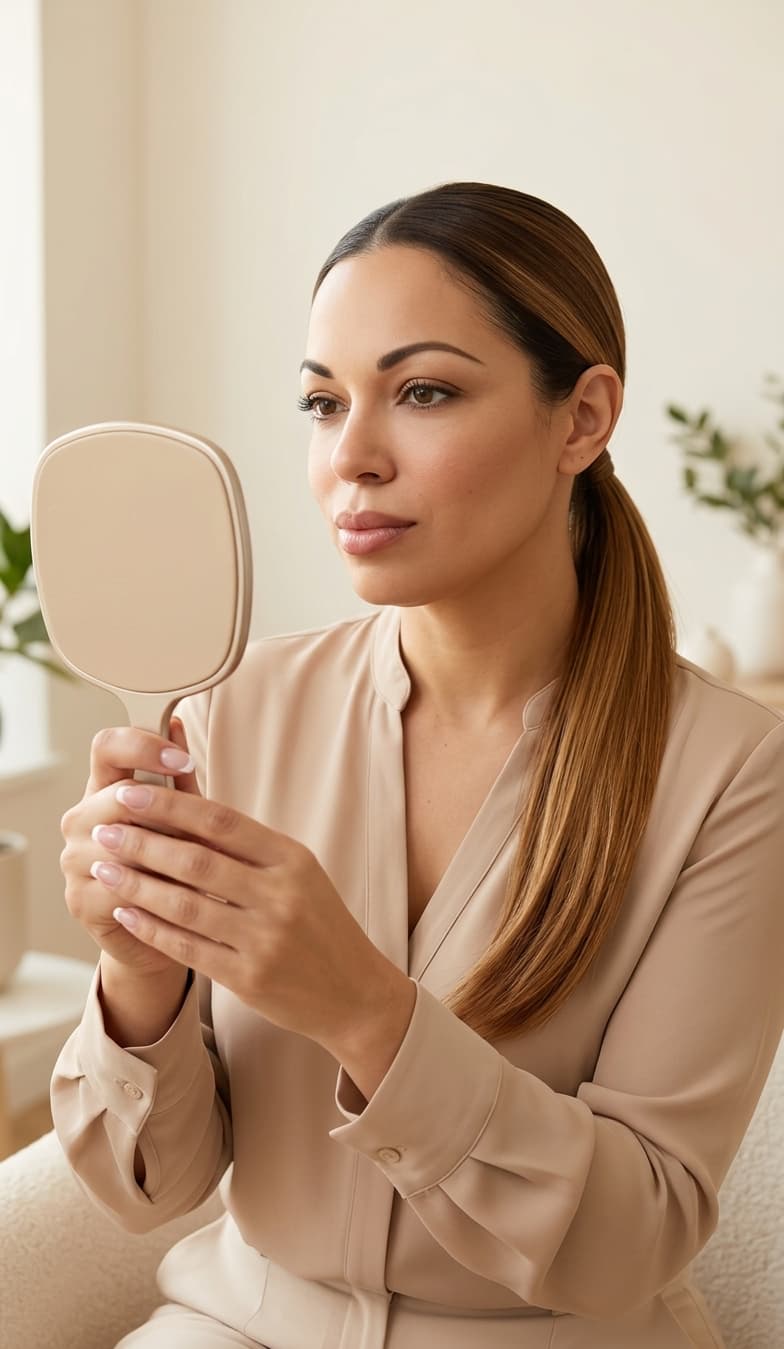
No face is perfectly symmetrical.
One eyebrow may sit slightly higher. One eye may appear more open. One side of the mouth may move differently when you smile, and one side of the jaw may feel stronger or more active.
These differences are completely normal.
But the way we repeatedly use our facial muscles, hold tension, sleep, position our head, and express ourselves can also contribute to the way each side of the face looks and moves over time.
Facial Asymmetry Is Part of Being Human
Perfect facial symmetry is not the goal of Face Yoga.
Our faces naturally have differences in bone structure, muscle use, expression, and movement.
Even photographs can make these differences appear more noticeable depending on lighting, camera angle, or the way the head is positioned.
The more useful question is not “How can I make both sides identical?”
It is:
“Do I use both sides of my face in the same way?”
One Side May Work More Than the Other
Many people have a dominant side of the face.
You may chew more frequently on one side, lift one eyebrow more easily, smile more strongly on one side, or habitually tighten one side of the jaw.
These patterns can happen automatically.
Because they are repeated so often, we may not even realize that one side is doing more work than the other.
Tension Can Also Be Uneven
Facial tension is rarely distributed perfectly evenly.
One side of the jaw may feel tighter.
One eyebrow may lift more while speaking.
One side of the mouth may contract more during concentration.
Even the neck and shoulders can carry different amounts of tension from one side to the other.
Observing these patterns can help you understand your face more clearly without judging it.
A Facial Care Tool I Enjoy Using
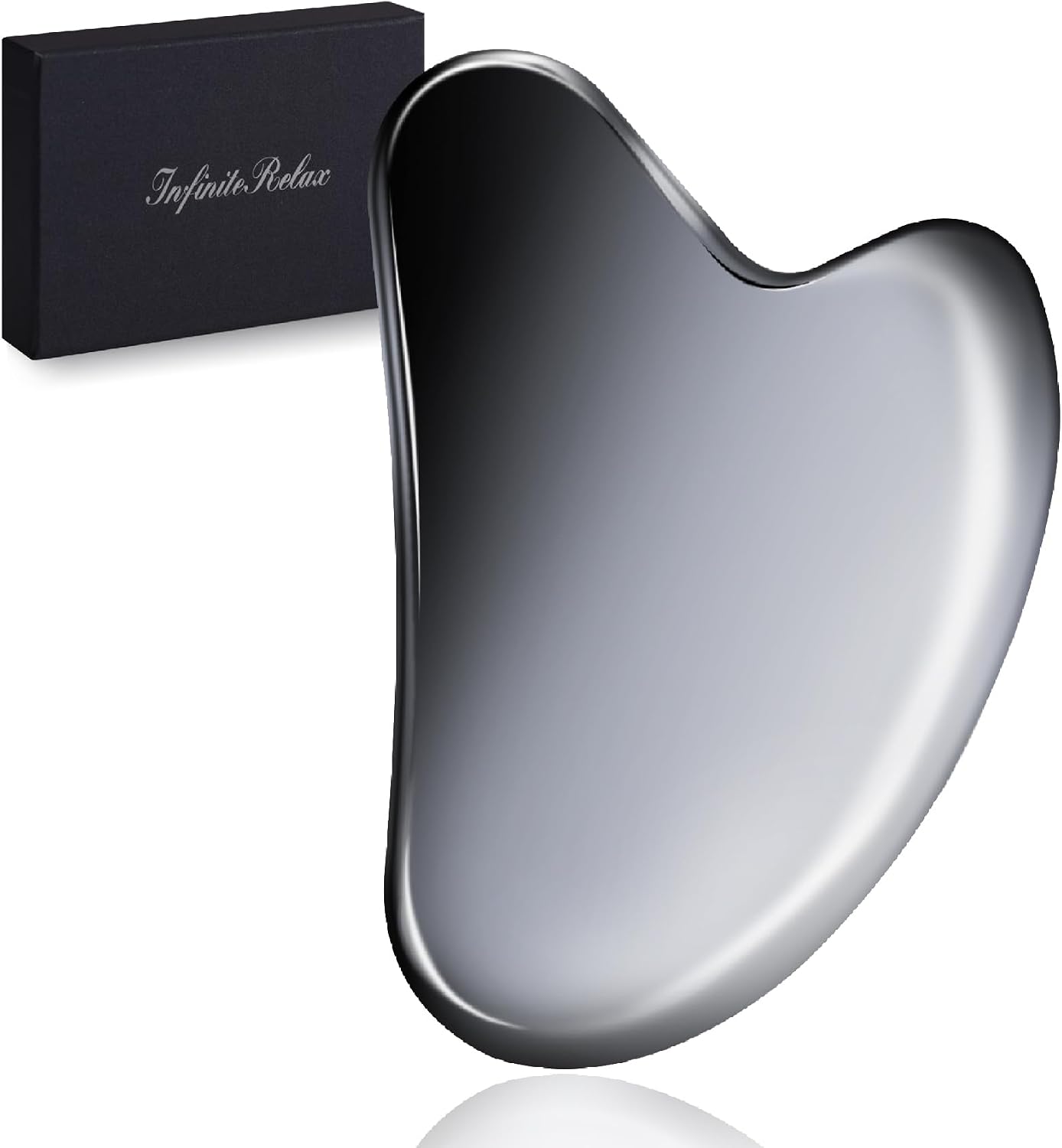
A Gua Sha tool can be a beautiful addition to a mindful facial care routine when used gently and intentionally.
I especially like using facial tools as an opportunity to slow down, observe both sides of the face, and become more aware of areas where I may be holding unnecessary tension.
As an Amazon Associate I earn from qualifying purchases.
Your Everyday Habits Matter
Facial movement does not happen only during a Face Yoga practice.
Think about the rest of your day.
Do you always sleep on the same side?
Do you rest your face in one hand while working?
Do you chew predominantly on one side?
Does one shoulder sit higher than the other?
Do you turn your head toward the same side while working at a computer?
None of these habits automatically “cause” facial asymmetry.
But becoming aware of repeated patterns can help you understand why one side of your face may feel or move differently from the other.
Posture Can Influence the Bigger Picture
The face is connected to the position of the head, neck, and upper body.
If the head frequently tilts toward one side or the shoulders are held unevenly, this can become part of your overall movement pattern.
This is why I prefer looking at the face as part of a larger system rather than focusing only on one eyebrow, one cheek, or one side of the jaw.
Be Careful With Random “Symmetry Exercises”
When people notice facial asymmetry, it can be tempting to search online for exercises designed to “fix” one side.
But this can be misleading.
Two people may appear to have a similar difference between the sides of their face while having completely different patterns of movement and tension.
One person may be overusing an area, while another may simply have a natural structural difference.
This is why blindly doing more exercises on one side is not necessarily a better approach.
Awareness Comes Before Adjustment
Before deciding what you want to change, observe.
Smile naturally.
Open and close your mouth.
Raise your eyebrows.
Relax your face.
Notice whether one side moves more easily or whether you feel tension in a particular area.
The goal is not to become obsessed with small differences.
It is to develop enough awareness to understand how your own face behaves.
Your Face Does Not Need to Be Perfectly Symmetrical
Facial symmetry is often presented online as a standard of beauty, but real faces are dynamic.
They move, express emotion, change with age, and naturally contain differences from one side to the other.
Face Yoga should not become another reason to criticize your face.
A more useful approach is learning how your face moves, recognizing unnecessary tension, and developing a practice that respects your individual facial structure.
Wondering Why the Two Sides of Your Face Move Differently?
If facial asymmetry or differences between the two sides of your face are one of your main concerns, a private session allows me to observe your individual facial movement patterns and focus on the areas you would most like to understand.
Instead of following a generic symmetry routine, you receive personalized guidance and live technique correction based on your own face.