Why the Eye Area Changes Over Time

The eye area is often one of the first places where people notice changes in their face.
Fine lines, puffiness, heaviness, differences between one side and the other, or simply a more tired appearance can make people focus intensely on this small area.
But the eye area does not exist in isolation.
The skin, surrounding muscles, facial expressions, tension patterns, and everyday habits all contribute to the way this part of the face looks and moves.
The Skin Around the Eyes Is Different
The skin around the eyes is naturally delicate and can respond differently to changes in hydration, lifestyle, environment, and age.
Because this area is involved in constant expression, it also moves repeatedly throughout the day.
Every smile, squint, concentrated expression, and reaction involves movement around the eyes.
Over time, repeated patterns can become part of the way we naturally use this area.
Your Eyes Are Constantly Working
Think about how often you focus on a screen, read small text, drive, work under bright lighting, or concentrate for long periods.
Many people unconsciously narrow the eyes, raise the eyebrows, or tighten the surrounding area while doing these activities.
These patterns may happen so frequently that we stop noticing them.
Becoming aware of how you use the eye area can therefore be just as important as thinking about the appearance of the skin itself.
Tension Around the Eyes Can Be Subtle
Facial tension is not always obvious.
Some people repeatedly lift the eyebrows while speaking. Others narrow one eye more than the other or hold tension between the eyebrows while concentrating.
These small patterns can become habitual.
That does not mean you should try to stop expressing yourself. The goal is simply to recognize unnecessary tension and understand how your own face tends to move.
My Face Tech Pick
If you enjoy incorporating beauty technology into your facial care routine, an LED facial mask can be a convenient at-home addition to your regular skincare and self-care rituals.
I prefer tools that are easy to incorporate into a routine without making facial care feel complicated or overwhelming.
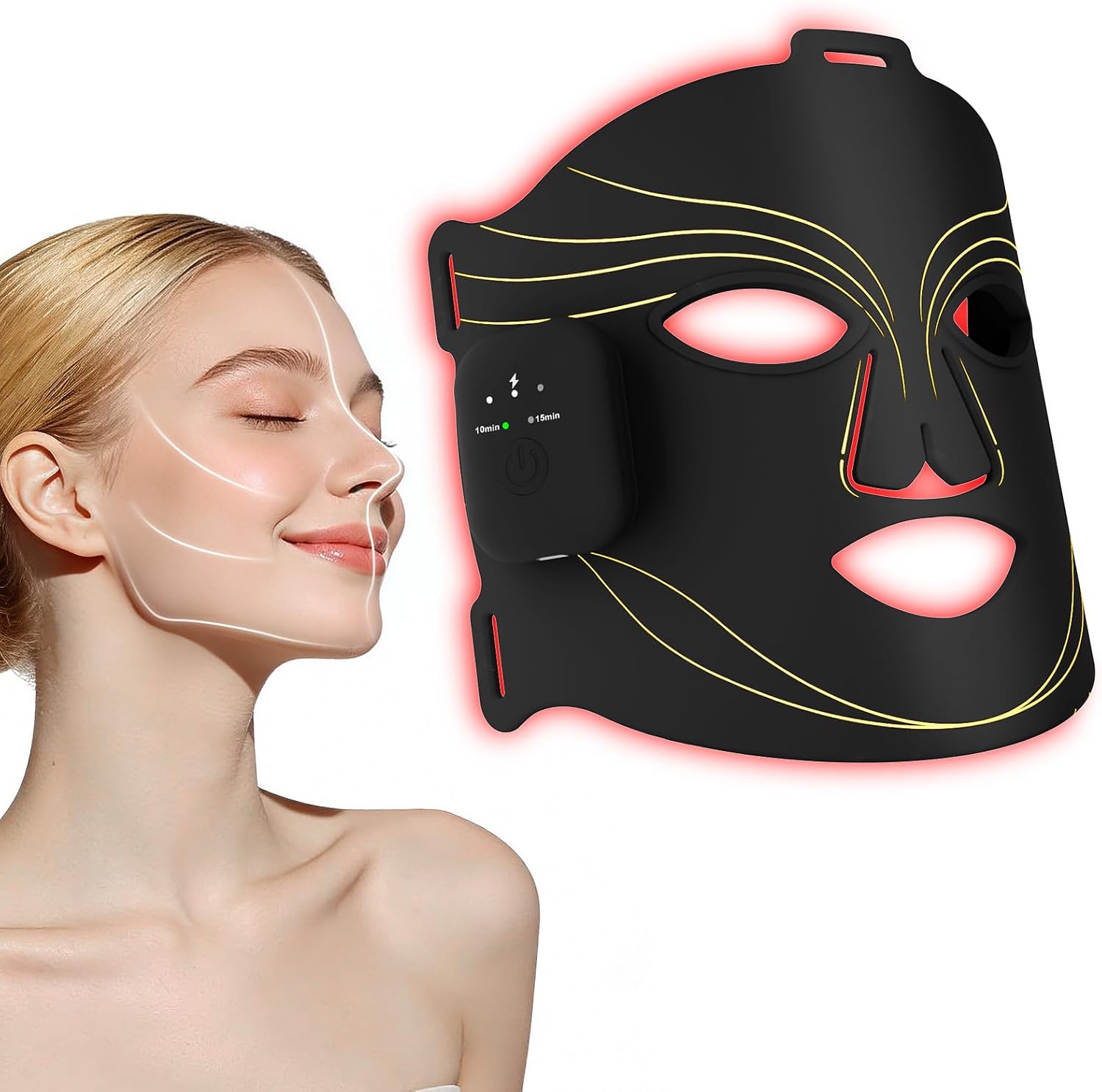
As an Amazon Associate I earn from qualifying purchases.
One Side May Move Differently From the Other
Perfect facial symmetry is not realistic.
Most faces naturally have differences between the right and left sides.
One eyebrow may lift more easily. One eye may appear slightly more open. One side may become more expressive when speaking or smiling.
These differences can also be influenced by habitual facial movement.
This is why comparing both sides of your face can be useful for awareness, but trying to force perfect symmetry is not the goal.
More Eye Exercises Are Not Necessarily Better
When someone becomes concerned about the eye area, it can be tempting to search for as many eye exercises as possible.
But the number of exercises is not what makes a practice thoughtful.
A technique that may be appropriate for one person may not be the best choice for someone with a different pattern of movement or tension.
Understanding how your own eye area moves is a better starting point than simply repeating a popular exercise.
The Forehead and Eye Area Work Together
The eyes do not move independently from the rest of the upper face.
The forehead, eyebrows, temples, and area between the brows can all influence facial expression around the eyes.
For example, some people rely heavily on the forehead when opening the eyes or expressing surprise.
Others may unconsciously contract the area between the eyebrows when concentrating.
Looking at these areas together gives a much clearer picture than focusing only on one wrinkle or one small facial concern.
Awareness Comes Before Correction
Face Yoga should not be about trying to freeze expression or eliminate every visible sign of age.
Your face is designed to move.
A more thoughtful approach is to recognize your movement patterns, notice unnecessary tension, and learn how to work with your face more consciously.
The more you understand how your own face moves, the easier it becomes to choose a practice with intention rather than simply following random exercises.
Want Personalized Guidance for Your Eye Area?
If the eye area is one of your main facial concerns, a private session allows us to look at how your face moves and focus specifically on the areas you would most like to understand and work on.
Instead of following a generic routine, you receive individual guidance and live technique correction based on your own face.